Mini vs midi fuse beads
Mini beads shrink detail onto smaller boards but demand sharper eyes and the Mini palette mapping in the maker.
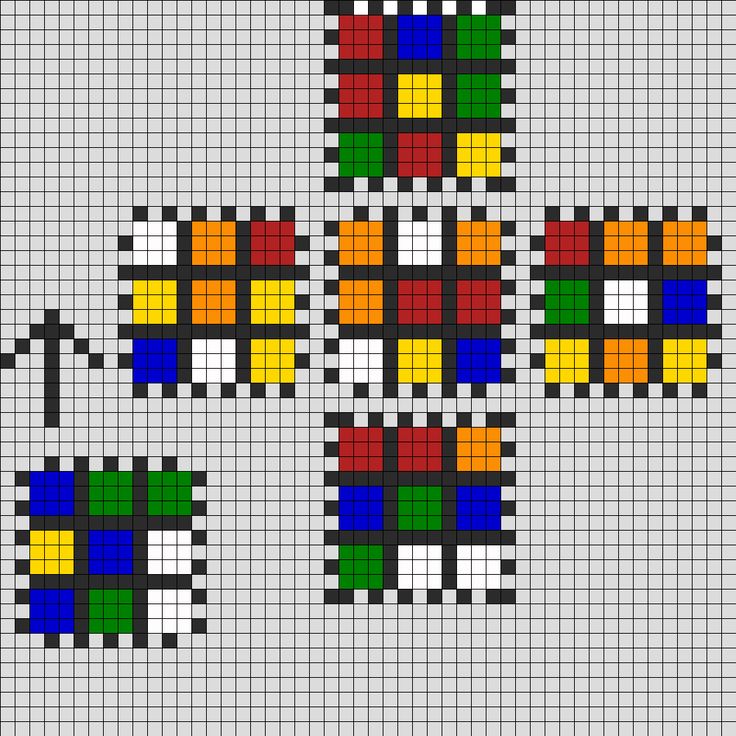
Reference photo from Pinterest. Saved locally under public/ for stable serving.
Mini vs midi fuse beads: the short answer
Midi (5 mm) is default Perler/Hama classroom scale; mini (~2.6 mm) shrinks detail and sorting pain.
Switching requires Mini palette in maker, not scaled midi counts.
Earrings and micro charms favor mini; posters favor midi.
Iron mini gingerly—less margin before collapse.
If you only remember one rule: refresh the shopping list after you touch Mini brand palette toggle—counts drift silently otherwise.
For mini perler beads, prioritize jewelry-scale projects over default slider positions—measure on the pegboard, not only on your phone.
Who this guide is for
Jewelry makers outgrowing chunky keychains.
Parents confused by mixed bead buckets.
Makers buying wrong plate for mini grids.
Supplies and accounts
- Midi fuse beads (5 mm) and at least one 29×29 pegboard
- Iron, parchment or ironing paper, and a heat-safe surface
- Tweezers for fixes; optional light box for dark colors
- Pixel Bead Pattern account (free preview; paid or Pro for HD PDF)
Step-by-step in Pixel Bead Pattern
Test one 15×15 mini charm before committing to portrait width.
Read plate brand; not all “mini” plates match PDF row math.
- Open /maker and keep this guide open for settings reference.
- Import a photo, mask, or gallery pattern that matches the project scale.
- Set width in beads; height locks to 29-bead rows for printable PDF pages.
- Choose palette brand and max colors to match beads you can buy this week.
- Generate, clean stray pixels, then approve the watermarked preview.
- Export HD PDF and refresh the shopping list only after preview sign-off.
How the maker handles this
Palette dropdown changes available SKU codes and mapping math.
Same bead count occupies smaller physical fuse on mini.
PDF still slices 29 cells; verify against your mini board.
Field notes from our test bench
Midi portrait regened on mini palette looked starved—width lowered to 29.
Earring pair symmetric 12×12 mini passed wear test.
Tweezers fatigue real on mini; teen lasted twenty minutes, adult forty.
Iron too long curled mini heart into taco.
Color name drift between mini lines confused chart.
Mixed bucket sorted once, never again without labels.
Keychain hole placement tighter on mini—drill after cool.
Class stuck to midi after mini trial cost overrun.
Night photo upload needed background removal before Mini brand palette toggle; otherwise mini palette mismatch returned.
We pinned a vertical WIP; traffic beat a flat lay of the finished fuse for clicks.
Pro save labeled “v4-mini-beads-vs-midi” because refresh once ate a winning max-color cap.
Laser-printed symbols at 100% scaled; shrinking the PDF broke peg alignment on board two.
Mini palette test on scraps proved midi width wrong for the keychain scale.
Flood fill on sky beat two hundred single-cell edits after photo conversion.
Stripe receipt archived before second export attempt—duplicate charge avoided.
Gift deadline: shipped at 58-wide, not 87, once preview passed at five paces.
Depth notes and edge cases
Mini rewards patience, not magnification alone.
Marketing photos should show coin scale.
Return policy on specialty mini bags varies.
STEM lesson: same image, two resolutions in beads.
PDF pack for class: grayscale ok on school laser; color chart open for shopping.
Safety split held: kids placed, adult fused, iron never unattended.
Pinterest attribution in caption; pin linked to our maker preview, not a ripped PDF.
Timeline slipped one day because fuse cooled under books, not in a bag.
Checklist skipped “refresh list” once; six extra browns arrived unused.
Photo north-window retest beat any in-maker slider for mini palette mismatch.
Terms worth knowing
Quick definitions so search snippets and classroom sheets stay aligned with the maker UI.
- mini perler beads: the search topic this page answers in maker, not in a generic pixel app.
- Mini brand palette toggle: the control we touch most often for keychain initial after first generate.
- 2.6 mm grid test: the width, tolerance, or cap we quote from recent bench tests.
- Pegboard width: bead count across, not centimeters—convert after fuse if framing.
- Max colors: hard palette cap before mapping throws away similar hues.
- Watermarked preview: free likeness check; not the file you mass-print for class.
- HD PDF: numbered 29×29 slices sized for checkout on /pricing.
- Crafting mode: session marks on cells; not saved unless your plan stores projects.
- Shopping list: live BOM tied to palette brand selected in dropdown.
- Three-meter test: walk back until likeness read; phone zoom lies.
- Remap: switch Hama/Artkal without re-upload; counts shift, layout often identical.
- Flood fill: region replace after conversion; mind skin that shares sky color.
Reader homework (do before buying beads)
Fuse one midi and one mini icon.
Measure finished mm.
Refresh lists both palettes.
Week-one timeline (planning)
Mini takes longer per cell; halve row goals.
- Sort beads.
- Mini test square.
- Approve scale.
- Place main piece.
- Fuse gently.
- Review: if Mini brand palette toggle still fails, fix photo and settings—not only bead width.
Three copyable grid recipes
These recipes are starting points we actually run before exporting HD PDFs. Tweak width and max colors for your photo—not every subject needs the same cap.
Mini charm
Palette Mini
Width ≤29
Max 8–10
Tweezers
Gentle iron
Midi gift
Palette Perler
Width 58 face
Standard iron
Compare
Same icon both palettes
Photo scale object
Pick readability
Copyable maker notes (paste into your session)
palette=mini
12x12 ear
iron low
Best use cases
Stud earrings for craft fair.
Charm bracelet series.
Desk midi sign versus mini desk pet.
Teaching scale lesson in STEM club.
Content funnel: article → maker → export, measuring saves not just views.
Anniversary piece where preview goes to partner before plastic leaves Amazon.
Comparison: workflows side by side
| Workflow | Best for | Tradeoff |
|---|---|---|
| Mini beads | Earrings, charms | Slower placement |
| Midi beads | Posters, gifts | Coarser pixels |
| Mixed brands | Scrap bins | Remap required |
Pros, cons, and pricing here
See live Stripe pricing on /pricing—amounts here are not quoted because checkout values change.
Watermarked preview costs nothing; HD PDF pages, packs, and Pro billing are listed on the pricing page before you pay.
When teaching mini perler beads, open /pricing live in class—Stripe amounts change and slides go stale fast.
- Pros: palette-accurate counts, printable board numbers, palette remap without a second upload.
- Cons: beads stay chunky pixels; wide likeness takes nights at the pegboard and may need export credits.
- For mini perler beads, success looks like jewelry-scale projects on the pegboard—not unlimited palette size on screen.
Trusted links and further reading
Perler posts ironing safety at perler.com (third-party); adults fuse, kids place beads.
Open /color-chart when substituting greys or skin tones from scrap bags.
Browse /patterns for remix ideas, then return to /maker for export.
Classroom workshop script
Compare watermarked preview to a bad widen-first grid; discuss jewelry-scale projects.
Close with checklist on board; no bead purchase homework until preview screenshot due.
Show grayscale PDF legend; link /color-chart for shopping night.
Ethics minute: Pinterest inspiration versus copying protected character grids.
Split iron station: placement timed, fuse demonstrated once with parchment.
Quiz: what changes shopping list when max colors drops by two?
Commission and stall pricing
Ship flat after book press; curling voids warranty promises.
Quote materials from live counts; labor separate for keychain initial sizing.
Watermark preview is contract; paid HD after client circle approves likeness.
Decline trademark commissions; offer original geometry lesson instead.
Rush fees when 2.6 mm grid test cannot shrink before deadline.
Study notes for mini perler beads
Compare finished fuse to the approved watermark for keychain initial; silent edits between sessions cause most “it looked different online” complaints.
Demo Mini brand palette toggle on a throwaway icon before committing to 2.6 mm grid test; your wrists and cart will thank you.
When sharing publicly, link to /maker with your own upload—do not redistribute HD exports as if they were stock patterns.
If mini palette mismatch returns late in the build, stop placement and fix upstream settings instead of forcing width or cap jumps.
Quote bead materials from the live shopping list when pitching mini perler beads commissions; labor and fuse time stay separate line items.
Mistakes we still see with mini perler beads
Assuming mini is zoomed midi counts.
Wrong plate size.
Adult iron pressure on mini.
Buying midi list for mini project.
Shopping before anyone signs the watermarked preview—classic mini palette mismatch budget hit.
Cranking width before trying Mini brand palette toggle; bead count exploded without fixing mini palette mismatch.
Pre-shopping checklist
Palette matches beads on mat.
Re-run this checklist if mini palette mismatch shows up on a scrap board test before you scale to the final keychain initial grid.
- Mini palette on
- Plate size verified
- Width reduced
- List refreshed
- Tweezers ready
- Low iron heat
- Hole plan post-fuse
- Earring post not in iron
Finishing, display, and documentation
Cyanoacrylate posts after full cool.
Store mini separate from midi.
Label bags with mm size.
Photograph with coin for scale.
Stack flat under books if jewelry-scale projects must hang level on drywall.
Photograph without on-camera flash—specular beads lie about mini palette mismatch fixes.